Advanced Hair Restoration Options, and How to Regain Fuller, Healthier Hair
Nov 05, 2026
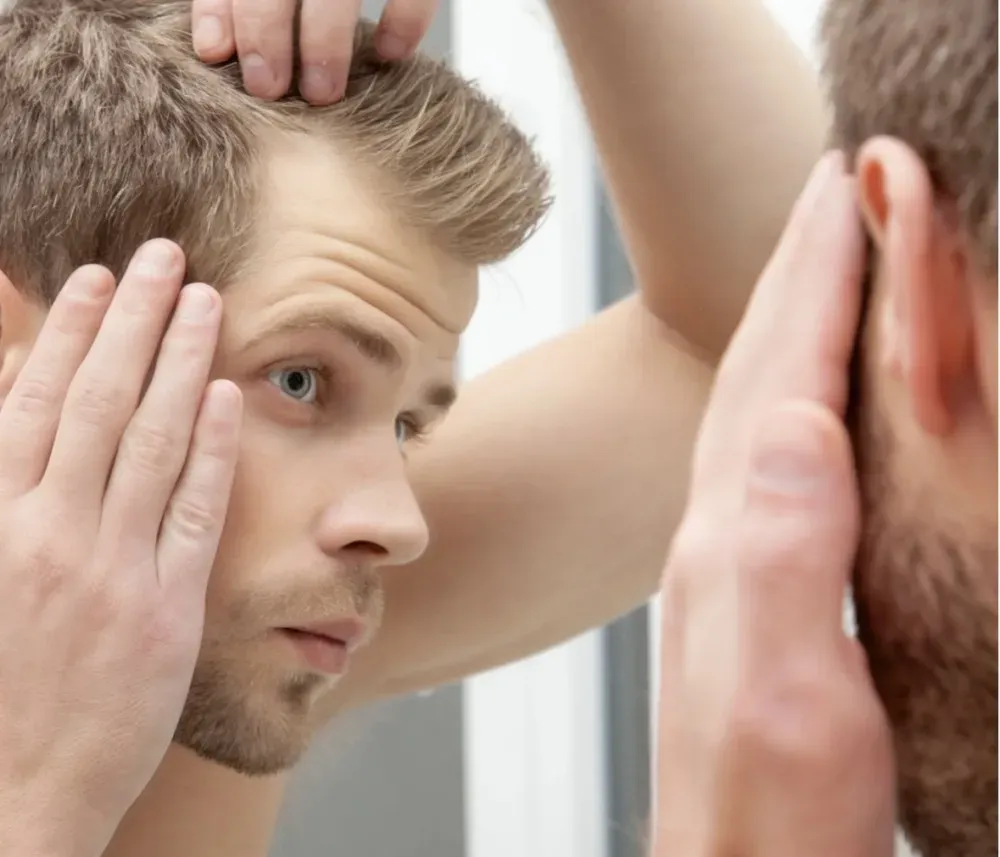
Hair loss is one of the most common concerns affecting both men and women. Whether it begins with a receding hairline, thinning at the crown, a widening center part, or excessive shedding, hair loss can have a significant impact on confidence and appearance.
The good news is that modern hair restoration treatments offer more options than ever before. From advanced medical therapies and platelet-rich plasma (PRP) to minimally invasive FUE hair transplantation and FUT hair transplant procedures, patients now have access to personalized solutions designed to preserve existing hair and restore natural-looking density.
At Meshkin Medical Hair Restoration, with locations in Newport Beach and Glendale, California, we believe successful hair restoration begins with understanding the underlying cause of hair loss and developing a treatment plan tailored to each patient’s individual needs.
Hair loss can develop for several reasons. Understanding the cause is essential because not every type of hair loss responds to the same treatment.
Male pattern baldness, medically known as androgenetic alopecia, is the most common cause of hair loss in men. It is largely influenced by genetics and sensitivity to dihydrotestosterone (DHT), a hormone that gradually causes susceptible hair follicles to shrink.
Common signs include:
Early intervention can help slow progression and preserve existing hair.
Female pattern hair loss is also common, although it often develops differently from male pattern baldness.
Women frequently experience:
Hormonal changes, menopause, thyroid disorders, iron deficiency, nutritional deficiencies, stress, pregnancy, and certain medications can also contribute to hair loss.
Weight loss from medications or bariatric surgery, inadequate protein intake, and nutritional deficiencies may trigger a condition called telogen effluvium, which causes increased hair shedding.
A proper evaluation is important to distinguish temporary shedding from progressive hereditary hair loss.
Advances in hair restoration have expanded treatment options for both men and women. The best approach depends on the diagnosis, severity of thinning, medical history, and long-term goals.
Minoxidil remains one of the most established treatments for male and female pattern hair loss.
Available in topical formulations, minoxidil helps stimulate hair growth, improve hair thickness, and slow further thinning.
Low-dose oral minoxidil is also increasingly used by physicians as an off-label treatment for selected patients who may not respond well to topical applications or prefer an oral option.
Oral minoxidil requires medical supervision because it can affect blood pressure and heart rate and may cause fluid retention and unwanted hair growth.
Finasteride is an FDA-approved prescription medication for male pattern hair loss. It works by reducing DHT, which contributes to the progressive shrinking of genetically susceptible hair follicles.
For appropriately selected men, finasteride can slow hair loss and help maintain existing hair.
Other prescription options include:
These medications are not appropriate for everyone. Potential side effects, pregnancy considerations, and individual medical history must be discussed with a qualified healthcare professional.
Platelet-rich plasma (PRP) therapy has become an increasingly popular nonsurgical hair restoration treatment.
PRP uses a small sample of the patient’s own blood. The blood is processed to concentrate platelets and growth factors, which are then injected into areas of thinning.
PRP may help:
PRP can be used as a standalone treatment for selected patients or combined with hair transplantation as part of a comprehensive restoration program.
Multiple treatment sessions are generally recommended, followed by maintenance treatments when appropriate.
One of the emerging areas of interest in hair restoration is exosome-based therapy.
Exosomes are microscopic extracellular vesicles that carry biological signaling molecules involved in cell communication. Researchers are investigating their potential role in supporting follicular activity and tissue repair.
Although early studies are generating interest, exosome treatments for hair loss remain investigational. They are not FDA-approved for hair restoration, and their effectiveness, safety, and long-term outcomes have not been established.
Patients should be cautious of claims promising guaranteed hair regrowth or permanent results from these treatments.
Microneedling is another treatment being studied for hair growth. It creates controlled micro-injuries in the scalp that may stimulate healing responses and improve the effectiveness of certain combination treatments.
Low-level laser therapy (LLLT) uses specific wavelengths of light to stimulate cellular activity in hair follicles.
Some patients may benefit from these treatments as complementary approaches, particularly during the earlier stages of hair thinning.
However, results vary, and neither treatment replaces a proper diagnosis or an individualized hair restoration plan.
For patients experiencing significant hair loss, medical treatments may not restore the density they desire. A hair transplant can offer a more permanent solution.
Follicular Unit Extraction (FUE) is a modern hair transplantation technique in which individual follicular units are harvested from the donor area, typically the back and sides of the scalp, and transplanted into thinning or balding areas.
Advantages of FUE include:
At Meshkin Medical Hair Restoration, particular attention is given to hairline design, graft placement, and the natural direction and orientation of hair growth.
Each follicular unit may contain one, two, or three hairs. Careful placement is essential for achieving natural-looking density and a result that complements the patient’s facial features.
Our approach also includes ultra-refined FUE techniques and options for patients seeking a no-shave recipient area, when appropriate.
Follicular Unit Transplantation (FUT), also known as the strip method, remains an excellent option for appropriately selected patients.
FUT involves removing a narrow strip of hair-bearing scalp from the donor area. The strip is carefully dissected into individual follicular units for transplantation.
Benefits may include:
The choice between FUE and FUT depends on donor hair characteristics, hairstyle preferences, the number of grafts needed, and long-term hair restoration goals.
Choosing the right hair restoration physician is one of the most important decisions in the hair transplant process.
At Meshkin Medical Hair Restoration, Dr. Michael Meshkin and Dr. Alister Meshkin bring more than 30 years of exclusive experience in hair restoration.
Our philosophy combines medical expertise, artistic hairline design, and meticulous surgical technique.
What distinguishes our approach?
We understand that every patient has different goals. Some patients need help preserving their existing hair, while others may benefit from restoring a receding hairline, crown, or overall density.
Our goal is to create a treatment plan that looks natural and remains appropriate as hair loss progresses over time.
If you are noticing increased shedding, a receding hairline, thinning at the crown, or a widening part, an early evaluation can make a significant difference.
Not all hair loss requires surgery. Some patients benefit from medications, PRP, or combination treatments, while others may be better candidates for FUE or FUT hair transplantation.
A personalized consultation can help identify the cause of hair loss and determine the most appropriate treatment options.
Hair loss does not have to be a permanent source of frustration or reduced confidence. With today’s medical and surgical hair restoration options, men and women have more opportunities to preserve their existing hair and restore a fuller, natural-looking appearance.
Meshkin Medical Hair Restoration proudly serves patients in Newport Beach, Glendale, and throughout Orange County and Southern California.
Contact our office to schedule a complimentary hair restoration consultation and learn which treatment may be right for you.
Meshkin Medical Hair Restoration
Newport Beach & Glendale, California
Phone: 949-219-0027
Website: www.meshkinmedical.com
Restore your hair. Restore your confidence.