Weight Loss and Hair Loss
Oct 15, 2026
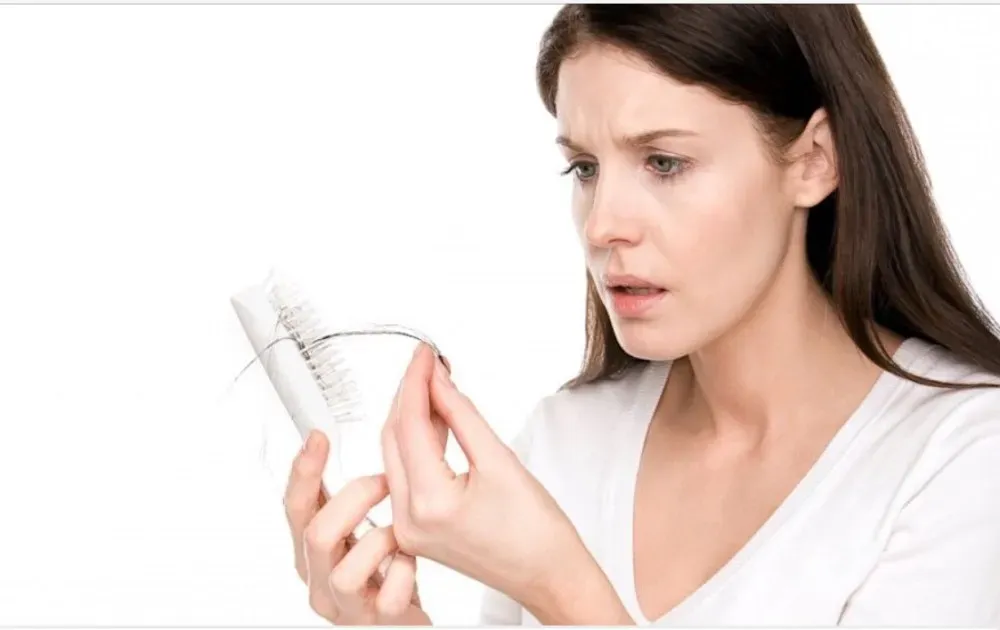
Weight Loss and Hair Loss: How Medications, Surgery, and Malnutrition Affect Hair Growth in Men and Women
By Meshkin Medical Hair Restoration | Newport Beach & Glendale, California
Weight loss can improve overall health, but losing weight rapidly or without adequate nutrition can sometimes lead to noticeable hair thinning and excessive shedding. Both men and women may experience hair loss after taking weight-loss medications, undergoing bariatric surgery, or following restrictive diets that do not provide sufficient protein, vitamins, and minerals.
At Meshkin Medical Hair Restoration in Newport Beach and Glendale, California, understanding the underlying cause of hair loss is an important first step toward choosing the right hair loss treatment.
1. Can Weight-Loss Medications Cause Hair Loss?
Weight-loss medications, including GLP-1 medications such as semaglutide and tirzepatide, have become increasingly popular. Although these medications can help patients achieve significant weight reduction, some individuals notice increased hair shedding during treatment.
The connection may involve rapid weight loss, reduced calorie intake, nutritional deficiencies, and the body’s response to physical changes. Researchers have not established that these medications directly damage hair follicles in every affected patient.
One common explanation is a condition called telogen effluvium, in which a physical stressor causes more hair follicles than usual to enter the resting phase of the hair-growth cycle. Several months later, these hairs begin shedding, sometimes resulting in noticeable thinning across the scalp.
People taking medications such as Wegovy, Zepbound, or Ozempic may be particularly vulnerable if appetite suppression leads to inadequate protein or nutrient intake.
Patients experiencing significant hair loss should consult their prescribing physician and a qualified hair-loss specialist. Do not discontinue prescribed medication without medical guidance.
2. Hair Loss After Weight-Loss Surgery
Bariatric procedures, including gastric bypass and sleeve gastrectomy, can produce substantial weight loss. However, the physical stress of surgery and changes in digestion and food intake may affect normal hair growth.
Hair shedding often becomes noticeable approximately two to four months after a major physical stressor, although timing varies. Potential contributing factors include:
Many patients experience temporary diffuse hair shedding rather than permanent baldness. Hair growth may improve when weight stabilizes and nutritional deficiencies are corrected, but recovery differs from person to person.
Patients who have undergone bariatric surgery should follow their surgical team’s nutritional monitoring recommendations. Blood tests may be appropriate to identify deficiencies that require treatment.
3. Malnutrition, Crash Dieting, and Hair Thinning
Healthy hair growth depends on adequate nutrition. Hair follicles require protein, energy, vitamins, and minerals to maintain their normal growth cycle.
Crash diets, prolonged fasting without appropriate nutritional planning, and severely restrictive eating patterns can deprive the body of essential nutrients. When nutritional intake becomes inadequate, the body prioritizes vital functions over nonessential processes, including hair production.
Nutritional factors associated with hair shedding may include:
Taking supplements without identifying a deficiency is not always beneficial. Excessive intake of certain nutrients, including vitamin A and selenium, can itself contribute to hair loss. A balanced diet and medically appropriate testing are preferable to taking high doses of supplements without guidance.
4. Why Weight-Loss-Related Hair Loss Affects Men and Women Differently
Both men and women can develop telogen effluvium after rapid weight loss. However, weight loss can also make existing hereditary hair loss more noticeable.
In men: Androgenetic alopecia, commonly called male-pattern baldness, often causes a receding hairline, thinning at the temples, or hair loss at the crown. Rapid weight loss may trigger additional shedding, revealing areas that were already becoming thinner.
In women: Hair loss may appear as widening of the central part, reduced density across the top of the scalp, or generalized thinning. Hormonal changes, iron deficiency, thyroid conditions, and hereditary female-pattern hair loss may also contribute.
Identifying whether the problem is temporary shedding, hereditary hair loss, or a combination of both is essential. The appropriate treatment depends on the diagnosis.
5. What Is the Best Hair Loss Treatment After Weight Loss?
The first step is determining why the hair is falling out. A medical evaluation may include a scalp examination, review of weight changes and medications, nutritional assessment, and laboratory testing when indicated.
Treatment may involve:
When hair loss is caused by telogen effluvium, shedding often improves after the underlying trigger is addressed. However, regrowth takes time, and visible improvement may require several months.
When Is a Hair Transplant Appropriate?
A hair transplant is not usually the first treatment for active, unexplained shedding caused by rapid weight loss or malnutrition. These conditions should be evaluated and managed before considering surgery.
However, patients with established male-pattern baldness or female-pattern hair loss may be candidates for hair transplantation if they have sufficient healthy donor hair and meet other medical and surgical criteria.
At Meshkin Medical Hair Restoration, treatment options may include Follicular Unit Extraction (FUE) and Follicular Unit Transplantation (FUT). Each approach has different considerations, and suitability depends on the patient’s hair-loss pattern, donor supply, medical history, and long-term goals.
Restore Your Hair With a Personalized Treatment Plan
Experiencing hair loss after weight-loss medication, bariatric surgery, or nutritional changes can be frustrating. The good news is that some forms of weight-loss-related hair shedding are temporary, while other forms may benefit from ongoing medical treatment or hair restoration surgery.
At Meshkin Medical Hair Restoration in Newport Beach and Glendale, California, Dr. Michael Meshkin and Dr. Alister Meshkin provide personalized hair restoration evaluations for men and women experiencing hair thinning and hair loss.
Whether you are concerned about medication-related hair shedding, female hair loss, male-pattern baldness, or hair transplant options, an individualized evaluation can help determine the most appropriate next step.
Schedule a consultation with Meshkin Medical Hair Restoration to discuss your hair loss concerns and available treatment options.
Locations: Newport Beach and Glendale, California