Why Protecting Your Donor Hair Is Just as Important as Restoring Your Hairline
Nov 20, 2026
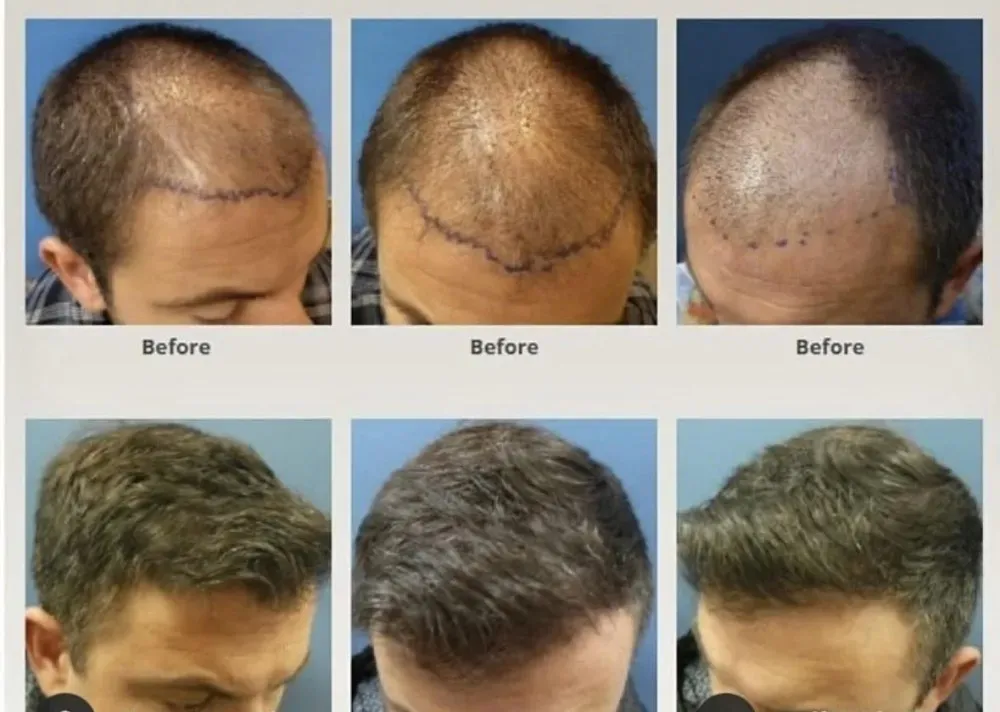
Hair Transplant Planning: Why Protecting Your Donor Hair Is Just as Important as Restoring Your Hairline
A successful hair transplant is about more than replacing lost hair. It requires thoughtful surgical planning, artistic hairline design, and careful preservation of your donor hair to achieve natural-looking results that will continue to look appropriate as you age.
When considering hair restoration, many patients focus primarily on how many grafts they need, how much coverage they can achieve, and how much a hair transplant costs. While these are important considerations, one of the most overlooked aspects of successful hair transplantation is the long-term management of the donor area.
At Meshkin Medical Hair Restoration, with locations in Newport Beach and Glendale, California, we believe that excellent hair restoration begins with a comprehensive understanding of each patient’s current hair loss, future needs, and available donor supply.
Your Donor Hair Is a Limited Resource
Unlike many cosmetic procedures, hair transplantation involves redistributing a limited supply of existing hair. Follicles are taken from the donor area, generally the back and sides of the scalp, and transplanted into areas affected by hair loss.
Once these follicles are removed, they cannot regenerate in their original locations. This makes donor preservation one of the most important considerations when planning an FUE hair transplant or FUT hair transplant surgery.
A patient experiencing early hair loss may initially need restoration of the frontal hairline and midscalp. However, hereditary hair loss can continue progressing over the years, potentially affecting additional areas, including the crown.
If too many grafts are used during the first procedure without considering future hair loss, the patient may have limited options for additional hair restoration.
An experienced hair restoration surgeon must therefore consider not only what can be accomplished today, but also what may be needed in the future.
FUE vs. FUT Hair Transplant: Choosing the Right Technique
Two established surgical methods are used in modern hair transplantation: Follicular Unit Extraction (FUE) and Follicular Unit Transplantation (FUT).
FUE Hair Transplant
FUE hair transplant involves individually extracting follicular units from the donor area using specialized instruments. The extracted grafts are then prepared and transplanted into the recipient area.
Some advantages of FUE include:
● No continuous linear incision in the donor area.
● Small extraction sites that heal individually.
● Flexibility in donor harvesting.
● An option for patients who prefer shorter hairstyles, depending on their healing and scarring characteristics.
However, FUE must be performed carefully. Excessive extraction can create visible thinning or an uneven appearance in the donor area. Proper distribution and spacing of extractions are essential to preserve the appearance of the remaining hair.
FUT Hair Transplant
FUT hair transplant involves removing a carefully selected strip of hair-bearing scalp from the donor area. Individual follicular units are then dissected under magnification for transplantation.
FUT can be an excellent option for selected patients, particularly those who need a larger number of grafts and have appropriate scalp characteristics.
The technique allows the surrounding donor hair to remain relatively undisturbed compared with widespread FUE extraction. However, FUT creates a linear donor scar, and proper surgical closure and donor management are essential.
Neither technique is automatically better for every patient. The best hair restoration approach depends on donor density, scalp characteristics, hairstyle preferences, the extent of hair loss, and long-term restoration goals.
Hairline Correction and Hairline Lowering Require Special Attention
The frontal hairline has an enormous influence on facial appearance. Even a relatively small change in its position can make a significant difference in facial proportions and overall appearance.
Patients seeking hairline correction may have naturally high hairlines, previous hair transplant procedures with unnatural designs, temple recession, or excessive forehead exposure.
Hairline lowering and hairline restoration require more than simply placing grafts along a predetermined line. The surgeon must consider facial structure, age, existing hair characteristics, and the direction in which transplanted hair should grow.
A hairline that is too low or too dense may look unnatural over time, particularly if surrounding native hair continues to thin.
At Meshkin Medical Hair Restoration, hairline design is approached as both a surgical and artistic process. Attention is given to the natural irregularities, angles, direction, and distribution of hair to create a result that complements the patient’s facial features.
Our goal is not simply to lower a hairline, but to create a natural-looking restoration that remains appropriate as the patient ages.
Why the Number of Grafts Is Not the Only Measure of Success
Patients frequently compare clinics based on the number of grafts offered. However, two procedures involving the same number of grafts can produce very different cosmetic results.
Each follicular unit may contain one, two, or three hairs, and the distribution of these grafts matters considerably.
For example, single-hair grafts are particularly valuable along the frontal hairline because they help create a soft, natural transition. Multi-hair grafts can be strategically placed behind the hairline to provide additional coverage and density.
The quality of graft preparation, preservation, recipient-site creation, and placement all influence the final appearance.
At Meshkin Medical Hair Restoration, Dr. Michael Meshkin and Dr. Alister Meshkin bring more than 30 years of exclusive hair restoration experience to surgical planning. Their approach emphasizes careful graft handling, customized recipient-site creation, and attention to the natural direction and orientation of transplanted hair.
Understanding Hair Transplant Cost
Hair transplant cost is another important consideration when choosing a clinic. Pricing can vary depending on the number of grafts required, the surgical technique, the complexity of the procedure, and the experience and involvement of the surgeon.
Patients should be cautious about selecting a clinic based exclusively on the lowest advertised price or the largest promised graft count.
A meaningful consultation should include an examination of the donor area, an assessment of the recipient area, a discussion of realistic density expectations, and an individualized surgical plan.
The best hair restoration is not necessarily the procedure involving the most grafts. It is the procedure that achieves the most appropriate cosmetic improvement while respecting the patient’s available donor supply.
Choose Experience and Long-Term Planning for Your Hair Restoration
Whether you are considering an FUE hair transplant, FUT hair transplant, hairline correction, or hairline lowering, choosing an experienced surgeon is one of the most important decisions you will make.
At Meshkin Medical Hair Restoration, we provide personalized hair restoration consultations at our Newport Beach and Glendale locations. Our approach combines surgical experience, artistic hairline design, and careful donor preservation to help patients achieve natural-looking, lasting results.
If you are researching the best hair restoration options in Orange County or Glendale, we invite you to schedule a complimentary consultation to discuss your goals and determine which approach may be appropriate for you.
Meshkin Medical Hair Restoration
Newport Beach & Glendale, California
Call 949-219-0027 to schedule your complimentary hair restoration consultation.
Website: https://www.meshkinmedical.com